When Being a Nice Guy Is Not the Problem
The goal is not to stop being nice. It is to become kind without self-abandonment.
No More Mr. Nice Guy makes an important argument: some people use niceness as a strategy. They help, accommodate, avoid conflict, and suppress their own needs while carrying an unspoken expectation that this behavior will eventually earn love, appreciation, sex, loyalty, or approval. Robert Glover calls these covert contracts, and recognizing them can be genuinely useful.
But the framework also has a limitation. Not every generous, available, responsive, or highly involved person is trying to create a debt. Sometimes generosity is simply generosity. Sometimes frequent communication comes from genuine interest. Sometimes initiative is part of a person's character. The fact that another person experiences those qualities as pressure does not automatically reveal the motivation behind them.
There is an important difference between saying, "I feel pressure when you do this," and saying, "You are doing this because you expect something from me." The first describes an experience. The second assigns a motive. Both people can be telling the truth about their own experience while still interpreting each other incorrectly.
When Another Person's Reaction Starts Shaping You
This becomes more complicated when the response to someone's presence, initiative, or availability is repeatedly negative.
Imagine that one person naturally communicates often, responds quickly, suggests plans, offers help, and shows enthusiasm. The other person repeatedly reacts with irritation, withdrawal, criticism, tension, or accusations of being pushy. Over time, those reactions become information. The first person learns that certain behaviors lead to conflict.
So the behavior changes.
Messages are delayed even when there is a natural impulse to reply. Initiative is reduced. Enthusiasm is moderated. Plans are approached cautiously. Offers of help disappear. Sometimes ambition, confidence, or even visible happiness is toned down because it appears to create discomfort.
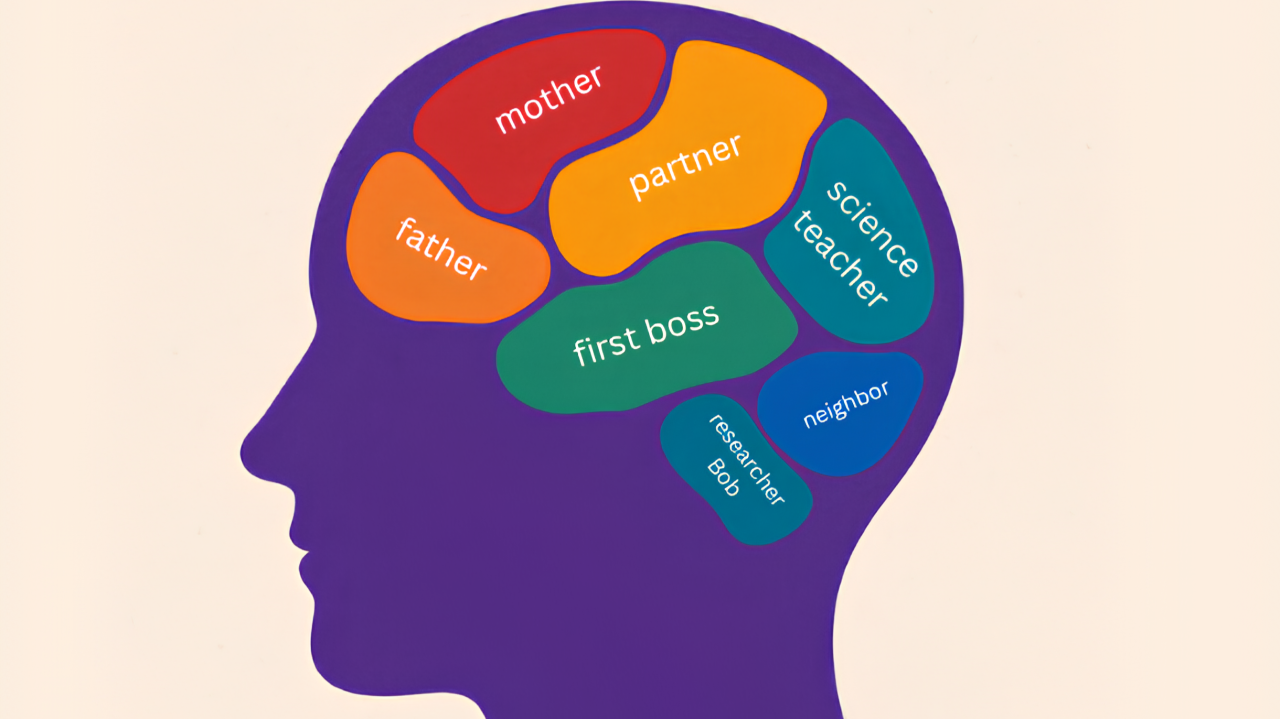
From the outside, this can look like healthy adaptation. Sometimes it is. Relationships require adjustment. But repeated negative reactions can also condition a person into constantly monitoring themselves. Instead of asking, "What do I want to do?", they begin asking, "What reaction will this produce?"
That is a very different psychological state.
The person may eventually become quieter, less spontaneous, less available, and less active, not because these changes reflect genuine growth, but because they have learned that showing more of themselves creates relational tension. This is where adaptation can quietly become self-suppression.
Ironically, this may be closer to the real danger described in No More Mr. Nice Guy than generosity itself. The problem is not necessarily, "I will do nice things so that you reward me." It can become, "I will modify myself so that you do not become upset with me."
Being Nice and Being Good Are Not the Same Thing
A good person can say no, disappoint someone, express preferences, maintain boundaries, and leave a relationship that does not work. Being good does not require constant accommodation.
This creates an important distinction. Generosity without boundaries can become unhealthy, but boundaries do not require becoming less generous. Availability does not require dependency. Initiative does not require control. Wanting closeness does not automatically mean being needy.
The useful question is not simply whether someone is "too nice." It is whether they are still acting according to their own judgment and values, or whether their behavior has become organized around preventing another person's negative reactions.
Not Every Mismatch Is a Pathology
Two people can also simply want different kinds of relationships.
One may enjoy frequent communication and regular time together. Another may need much more distance. One may naturally initiate plans and conversations. Another may prefer low-frequency contact and greater independence. One may experience involvement as affection while another experiences the same involvement as pressure.
There is a temptation to turn these differences into diagnoses. One person becomes needy, pushy, or a Nice Guy. The other becomes avoidant or emotionally unavailable. Sometimes those descriptions are useful. Sometimes they hide a much simpler explanation: the two people are poorly matched.
Compatibility is not only about whether two people can tolerate each other's differences. It is also about whether their natural ways of relating are broadly welcome to each other.
A person should be able to hear, "I need space tonight," and respect it. But if their ordinary level of affection, initiative, availability, or presence is repeatedly treated as a problem, the answer may not be to keep reducing those qualities until the relationship becomes tolerable.
It may be to recognize that the relationship requires too much self-reduction.
Expectations Are Not Covert Contracts
The Nice Guy framework can also blur the difference between expectations and transactions.
"I did this for you, therefore you owe me" is a transaction.
"I want a relationship with affection, initiative, reliability, emotional presence, and mutual effort" is a standard for compatibility.
A person can help their partner without expecting repayment for that particular act while still expecting the relationship as a whole to be reciprocal. They can give freely and later notice that the relationship is consistently one-sided. They can respect another person's need for distance while deciding that the resulting level of closeness is not enough for them.
That is not necessarily entitlement. It is choosing what kind of relationship one wants to participate in.
The Question Behind the Nice Guy Label
The most useful question may therefore be less about becoming "less nice" and more about understanding what is driving the behavior.
Is generosity being used to obtain approval, prevent rejection, or create an invisible debt? If so, the book's criticism is valuable.
But if generosity is genuine and another person consistently reacts badly to the amount of presence, initiative, or closeness being offered, a different question becomes necessary:
Is this behavior actually unhealthy, or is it simply unwelcome in this particular relationship?
And when repeated negative reactions begin shaping behavior, another question matters even more:
Am I learning healthier boundaries, or am I learning to become smaller?
Those questions leave room for both sides of the problem. A person can overwhelm someone without intending manipulation. Another person can genuinely feel pressured without correctly understanding the motive behind the behavior. Both people can have legitimate needs and still be fundamentally incompatible.
The goal is not to stop being nice. It is to become kind without self-abandonment, available without dependency, assertive without aggression, and generous without hidden contracts.
Then the remaining task is not to make those qualities acceptable to everyone.
It is to build relationships in which they have somewhere to land.