-
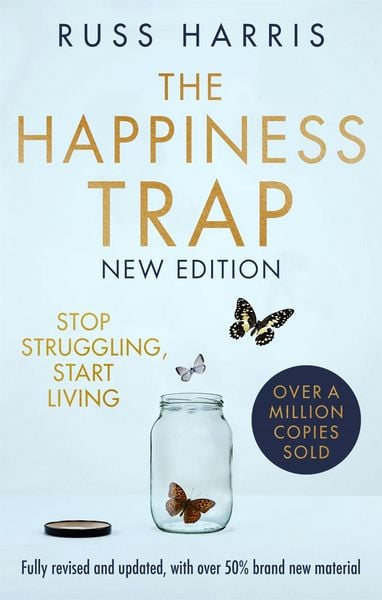
The Happiness Trap (7/10)
The Happiness Trap by Russ Harris
Very interesting book, that is helping you to refocus on yourself, your life, that is happening now. One of the main ideas of the book is similar to the stoicism philosophy, that is teaching us that there is something that you can control, and this is where you need to put your energy, and there are other things that you cannot control, which you need to accept. The book is focused a lot on the feelings and emotions, that you cannot control, that come and go as the clouds on the sky. But you can control the reactions, how much attention those emotions get and how much lifetime they consume.
Happiness is not the goal of life. Living your life, being true to your values, allowing yourself to have negative emotions, to make mistakes, to not be good, to not be enough, to struggle, suffer, but still see all this as part of the journey and enjoy the path.
One practical learning, that I find very important in this book, is that the brain cannot remove something from it. In order to stop doing things you should not say “STOP”: you should start doing things differently and replace old habits with the new ones, step by step, bit by bit. Without showing your brain another way, it will constantly return to the known patterns, to the comfort zone, simply because it does not know any other way, the toolbox is limited. Work on your toolbox, provide your brain with the alternatives, and see what happens.
-
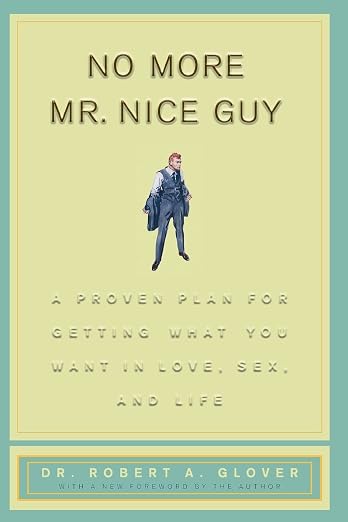
No More Mr. Nice Guy (6/10)
No More Mr. Nice Guy by Robert A. Glover
Glover describes the “Nice Guy” pattern as approval-seeking, conflict avoidance and covert contracts: doing what others supposedly want while silently expecting love, recognition or compliance in return. The book encourages clearer needs, honest boundaries and responsibility for one's choices.
The title and some gender framing feel dated, and not every kind man fits the pattern. Still, the distinction between kindness and hidden expectation is useful. Being direct is not the opposite of caring. I take this as an invitation to replace silent resentment with honest requests and accept that “no” is a possible answer. And I still disagree with many points in the book, especially those that are focused on one person and are trying to present the problem of a Nice Guy and his problem. I see that it very much depends on the partner and the dynamic, where the same behavior with a more mature partner would be percieved as something valuable with the wrong partner is called "being a Nice Guy".
-
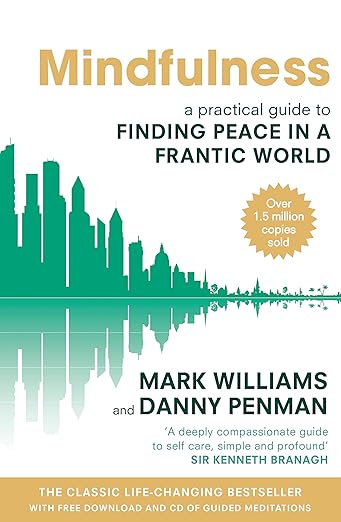
Mindfulness (8/10)
Mindfulness by Mark Williams and Danny Penman
An eight-week program of meditation, body awareness and noticing thoughts without automatically reacting. It explains how stress grows when we live on autopilot and treat every thought as a fact.
I like that the goal is not permanent calm but a different relationship with discomfort. The exercises only become useful through repetition; reading about mindfulness is not mindfulness. I would recommend to come back to this book in times of stress and emotional discomfort. The ideas this book has and the techniques it proposes is not a one-time read but a toolkit to deal with some life situations.
-
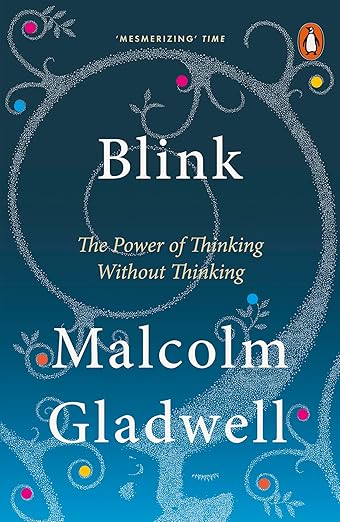
Blink (5/10)
Blink by Malcolm Gladwell
Gladwell explores “thin-slicing”: complex judgments formed from very little information. He also shows how bias, stress and framing can distort a decision that feels correct.
The stories make intuition feel neither magical nor useless. I want to know when instinct deserves attention and when a slower check is necessary. This book is trying to simplify very difficult cognitive processes and I was missing the depth and the width of decision making process and how brains work. In this case, I think, oversimplifying the topic might cause more harm than bring benefits.
-
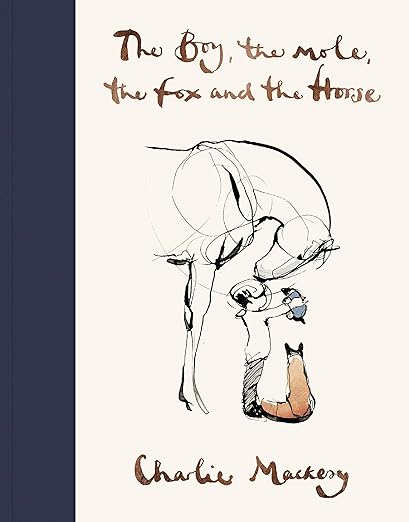
The Boy, The Mole, The Fox and The Horse (8/10)
The Boy, The Mole, The Fox and The Horse by Charlie Mackesy
Four companions talk about fear, kindness, friendship, courage and asking for help. Most pages are small reminders rather than parts of a traditional plot.
I would return to this book on difficult days for a gentler perspective on myself and others. It is a soft, calming strockes to your soul, that is especially needed in difficult moments. It is so needed in the fast, unpredictable, ever-changing, harsh life.
-
Culture Map (9/10)
Culture Map by Erin Meyer
Meyer maps differences in communication, feedback, persuasion, leadership, decisions, trust, disagreement and time. Her examples show why competent people can interpret the same meeting differently.
Great book, that gave me useful language for situations often blamed on personality. You can learn to avoid turning national patterns into stereotypes. Used as questions rather than labels, the framework can prevent unnecessary conflict. Living and working in a very diverse environment, this book helps greatly to better understand people around you and also give you a different perspective on yourself, a chance to look at your behavior, patterns and beliefs from a new viewpoint.
-
The Coaching Habit (6/10)
The Coaching Habit by Michael Bungay Stanier
The book builds everyday coaching around seven questions. Its discipline is to stay curious longer, identify the real challenge and resist solving another person's problem too early.
The questions look simple, but not giving advice is surprisingly uncomfortable. Helping does not always mean answering; sometimes it means creating enough space for another person to think. For me it was a good reminder to not jump to solve other peoples problems, but the idea can be formulated in a much shorter form and does not really need the whole book for that.
-
Difficult Conversations (8/10)
Difficult Conversations by Douglas Stone, Bruce Patton and Sheila Heen
Hard conversations contain three conversations: what happened, how people feel and what the situation says about identity. The authors replace blame with contribution and begin from curiosity.
I value the distinction between intention and impact: good intentions matter but do not erase another person's experience. The book is practical because it does not promise one perfect script. I have learned quite a lot from this book, but it is just the beginning - the real challenge is to go into this wild world and to actually face the fear, have those conversations and learn from the experiences. The book is a good motivation for this, but please do not stop with the thoery because life is way more "colorful" than any book can describe.
-
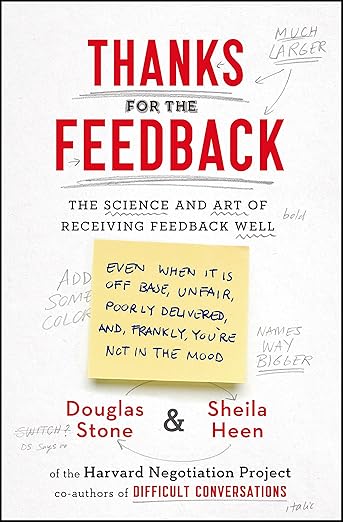
Thanks for the Feedback (9/10)
Thanks for the Feedback by Douglas Stone and Sheila Heen
This book examines receiving feedback through truth, relationship and identity triggers. It also separates appreciation, coaching and evaluation often mixed together.
Receiving feedback is not agreeing with it. I can question the source, request examples and still look for the useful part. That is more realistic than demanding perfect feedback before learning. This book helped me A LOT in my work and in my personal life. I am feeling way more comfortable receiving feedback and offering feedback.
-
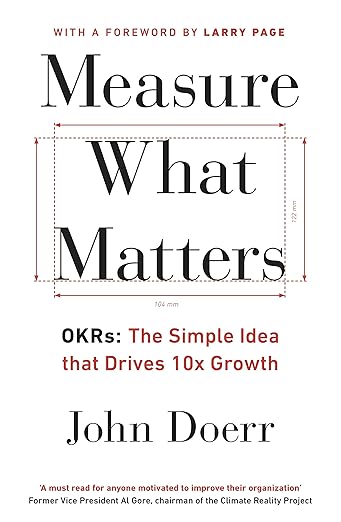
Measure What Matters (6/10)
Measure What Matters by John Doerr
Doerr explains Objectives and Key Results through organizations using ambitious goals and measurable outcomes. He also connects OKRs with conversations, feedback and recognition.
The framework works when objectives show direction and key results measure change, not activity. The danger is reporting theatre. Numbers help only when people understand the goal and can discuss reality honestly. The book is very usecase-focused and I see this pattern in many organizations/systems - trying to fit the concept into the organization even if it does not fit, just because there is a recommended best-selling book that is teaching the concept. And this book has this potential...
-
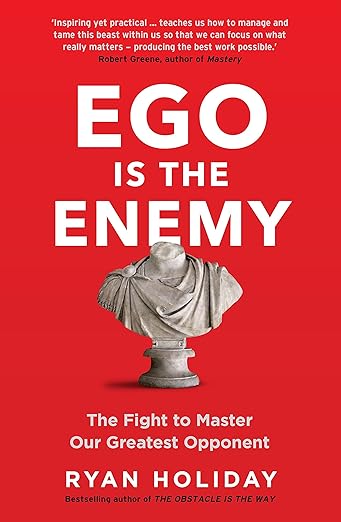
Ego is the Enemy (6/10)
Ego is the Enemy by Ryan Holiday
Historical stories show how ego interferes during aspiration, success and failure. The alternative is quiet work: remain a student, focus on the task and avoid building identity around status.
The tone is severe but useful in environments rewarding self-promotion. It is one of the books, that in my opinion can be a few pages with the core info and not the whole book. The ideas are applicable universally but the stories are very specific and knowing those does not help me much in my life.
-
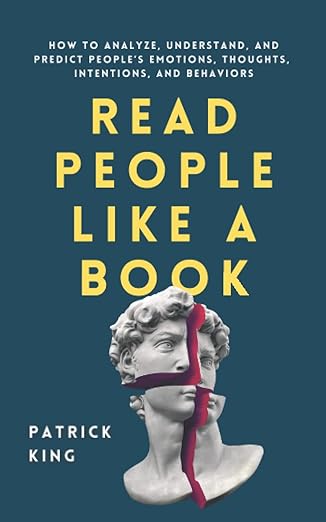
Read People Like a Book (6/10)
Read People Like a Book by Patrick King
The book introduces motivation, personality, emotional cues, biases and verbal and non-verbal patterns. It is a toolbox of observations, not a reliable way to know exactly what someone thinks.
Body language always needs context. I think the best thing about this book is not to try to read other people but to focus on yourself and to understand how you behavi, act, move and react in different situations and how your body and your mind are connected. Trying to get into other peoples head by observing their bodies is a very tricky part and might lead to more problems than solutoins.
-
The Laws of Human Nature (5/10)
The Laws of Human Nature by Robert Greene
Greene combines history, psychology and biography to examine irrationality, narcissism, role-playing, envy, conformity and aggression in ourselves and others.
The scope is impressive, although some “laws” are broader than human behavior really is. One thing from the book to remember - better self-observation should come before judging everyone else.
-
Advice Trap (3/10)
Advice Trap by Michael Bungay Stanier
This follow-up examines the “Advice Monster”: the urge to tell, rescue or control before the problem is clear. It offers ways to stay curious and slow automatic answers.
I have not learned anything from the book. The ideas are very plain and there is no novelty in what is written in the book. Another book that can be a one pager and does not need have so much "water".
-
The 48 Laws Of Power (4/10)
The 48 Laws Of Power by Robert Greene
Centuries of history become forty-eight provocative strategies about reputation, timing, dependence, persuasion and self-protection. The conflicting laws reflect the situational nature of power.
It is a book about nasty politics and not how people should be in the daily life, especially with people who they love, trust, value, appretiate. I would not use this as a moral manual - some advice is manipulative. Its value is showing games people already play. If you are a politician and you need to trick people - this book is for you.
-
The Psychology of Money (7/10)
The Psychology of Money by Morgan Housel
Nineteen stories show how financial outcomes depend on behavior as much as technical knowledge. Housel explores compounding, luck, risk, room for error, “enough” and staying wealthy.
The lessons feel durable because they focus on patience, humility and survival. My main takeaway is that a plan needs enough margin to continue when reality refuses to match the spreadsheet.
-
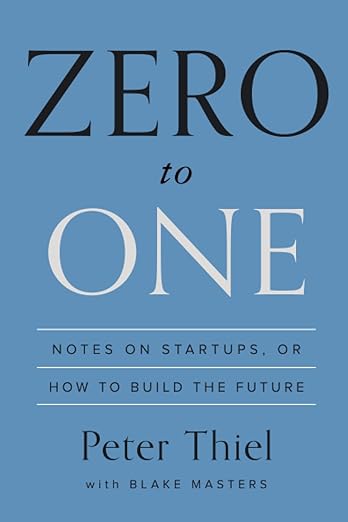
Zero to One (8/10)
Zero to One by Peter Thiel with Blake Masters
The book asks founders to create something genuinely new rather than compete through incremental improvement. It covers contrarian thinking, secrets, monopoly, distribution and founding teams.
It is sharp and intentionally argumentative. I do not accept every conclusion, but the questions force original thinking instead of copying the visible market.
-
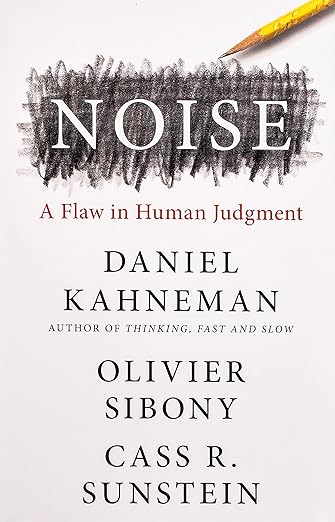
Noise (8/10)
Noise by Daniel Kahneman, Olivier Sibony and Cass R. Sunstein
The authors separate bias from noise: bias pushes judgments consistently while noise creates unwanted variation between people or moments. They propose decision hygiene.
The book is long and technical, but the organizational lesson matters. We often ignore whether the same case would get another answer tomorrow. Structured independent judgments can make systems fairer.
-
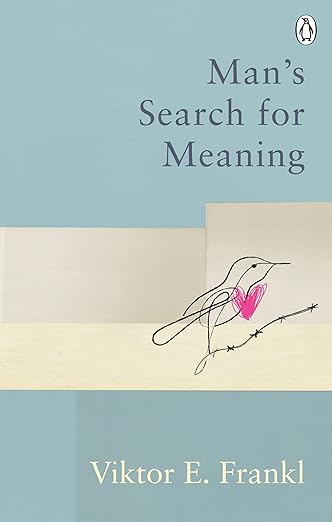
Man's Search For Meaning (8/10)
Man's Search For Meaning by Viktor E. Frankl
Frankl combines his concentration-camp survival account with logotherapy, centered on the search for meaning. Even when circumstances cannot change, a person may choose a stance toward them.
This should not be reduced to a motivational slogan. Its seriousness left me with more humility about suffering and a stronger sense that meaning can come from work, love and facing the unavoidable.
-
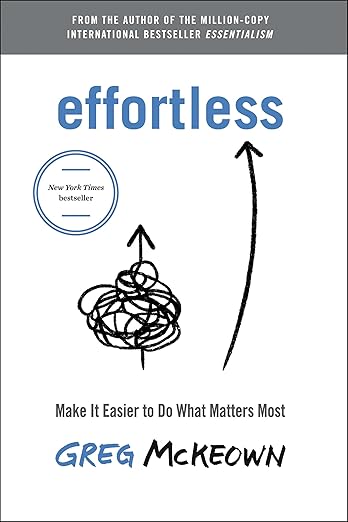
Effortless (7/10)
Effortless by Greg McKeown
McKeown asks how essential work can become easier rather than requiring more force. He covers an effortless state, action and results, simplifying steps and creating reusable systems.
Difficult work is sometimes necessary, but difficulty is not evidence of quality. We often add complexity merely to prove commitment. I personally am a big fan of simplifying things, but I would be careful going one direction and some topics, especially about humans and psychology are deep and tackling those with the approaches presented in the book might be dangerous.
-

Ikigai (8/10)
Ikigai by Héctor García and Francesc Miralles
The authors explore purpose, routines, community, movement, flow and longevity, especially among older residents of Okinawa. A meaningful life is connected with small sustained practices.
It is a well-known concept, though it simplifies a broad cultural idea. I took most from the ordinary examples: stay active, nurture relationships and keep reasons to get up in the morning.
-
The Making of a Manager (6/10)
The Making of a Manager by Julie Zhuo
Zhuo covers moving into management, one-to-ones, feedback, hiring, meetings, trust and helping a team produce better outcomes, grounded in her own early mistakes.
The book is OK. The humane tone presents management as a learnable responsibility, not a personality type or prize. A manager's output is the team's shared result, not the manager's individual busyness.
-
Attitude is Everything (4/10)
Attitude is Everything by Jeff Keller
Keller connects thoughts, words and actions, arguing that expectations shape opportunities we notice and persistence we bring to difficulty. He encourages goals, constructive language and movement beyond fear.
The energy motivates, but positive thinking cannot determine every outcome. The useful version is not "think well and everything works," but "choose a stance supporting the next responsible action."
-
Calm Your Thoughts (6/10)
Calm Your Thoughts by Nick Trenton
The book explains overthinking, rumination and anxiety loops, then offers exercises for creating distance from thoughts, grounding attention and reframing assumptions.
The techniques work as a small toolbox, not a promise to remove difficult thoughts. For serious or persistent anxiety, a book is not enough and professional help is needed.
-
Dopamine Detox (1/10)
Dopamine Detox by Thibaut Meurisse
This short guide suggests reducing highly stimulating, low-effort activities so attention can return to slower, harder work. It combines a brief reset with removing triggers and choosing priorities.
In my opinion this writing does not deserve to be called "a book". It is an article with an opinion and I have not learned anything from it.
-
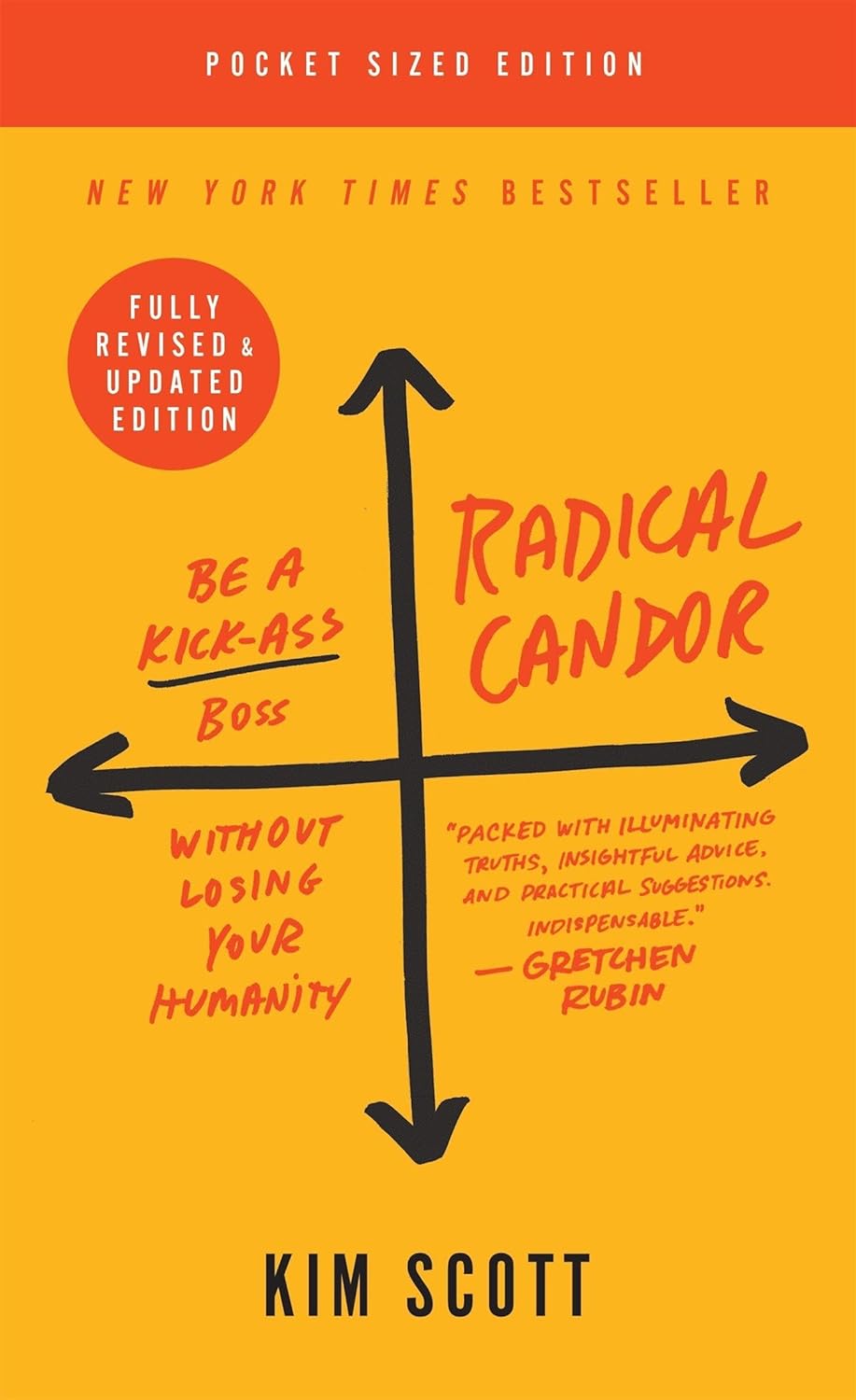
Radical Candor (9/10)
Radical Candor by Kim Scott
Scott asks leaders to care personally and challenge directly, applying the balance to feedback, one-to-ones and decisions. She contrasts candor with ruinous empathy, aggression and insincerity.
I liked the book and can recommend reading it for managers, not yet managers, and not managers at all. I think everyone will find something useful and interesting in this book. Directness is not automatically caring. Context, timing and power matter. Candor works when it is reciprocal and people can challenge the manager too, otherwise "radical" becomes an excuse for rudeness.
-
Zen Mind, Beginner's Mind (10/10)
Zen Mind, Beginner's Mind by Shunryu Suzuki
Drawn from Suzuki's talks, the book reflects on posture, breath, practice, non-duality and beginner's mind is the open state not yet narrowed by certainty.
Great book! This should be read slowly and more than once. Its value is returning attention to the activity itself. Beginner's mind also feels like a strong antidote to professional overconfidence.
-
Social Intelligence (8/10)
Social Intelligence by Daniel Goleman
Goleman explores the social brain: how attention, empathy, emotional contagion and relationships influence behavior and the body, from intimate connections to workplaces.
Interaction is more than exchanging information. The emotional quality of a conversation changes what people can hear and do next. For leadership, empathy is practical while still requiring boundaries and accountability.
-
Hyperfocus (7/10)
Hyperfocus by Chris Bailey
Bailey describes hyperfocus for concentrating on one task and scatterfocus for connecting ideas. He offers practical ways to manage attentional space, distraction and intention.
I like that the book does not treat every unfocused moment as failure. Deep work matters, but creativity needs room to wander. If I do not choose attention, the loudest input will choose for me.
-
Think Straight (7/10)
Think Straight by Darius Foroux
Foroux offers compact ideas for reducing mental noise, choosing priorities and turning thought into action. Thoughts are tools rather than commands.
The direct style helps when I overcomplicate something. Some problems are more complex than the book allows, but endless analysis is not automatically depth. Thinking can become another form of avoidance.
-
The Mountain Is You (5/10)
The Mountain Is You by Brianna Wiest
Wiest frames self-sabotage as an adaptive pattern: behavior that once protected a need but now blocks change. She explores triggers, boundaries, grief and resilience.
The reflections help name patterns difficult to see from inside. Some ideas are broad or repetitive, so I read this as a journaling prompt rather than a diagnosis.
-
Finish What You Start (8/10)
Finish What You Start by Peter Hollins
Hollins focuses on follow-through: motivation, tolerating discomfort, defining rules for action and reducing the gap between intention and execution.
It helps when work drifts because the next action is unclear or discomfort keeps winning. But some things should stop when evidence changes. Finishing is not a virtue by itself - conscious commitment is.
-
Switch (8/10)
Switch by Chip Heath and Dan Heath
The Heath brothers explain change through the rational Rider, emotional Elephant and surrounding Path. Knowledge alone rarely changes behavior, and environment can outperform willpower.
I find this book especially useful in my work environment, where everything is changing constantly and there is nothing to hold on to. The framework respects emotion and context. When change stalls, I can ask whether direction is unclear, motivation is weak or the environment still rewards the old behavior.
-
No Rules Rules (7/10)
No Rules Rules by Reed Hastings and Erin Meyer
The book describes Netflix's talent density, candid feedback, autonomy and removal of controls. Meyer tests the ideas against employee experiences and cultural differences.
It is interesting but not a recipe. Freedom works with context, judgment, information and responsible power. Removing rules without trust creates ambiguity, not autonomy.
-
Atomic Habits (9/10)
Atomic Habits by James Clear
Clear explains cues, cravings, responses and rewards, then turns them into four laws. He emphasizes identity, environment, small improvements and systems making behavior easy.
The book moves change away from motivation alone. I like small actions as votes for the person I want to become. Small habits are not small when they change direction. I know many people who use this book to change their lives and it helps them. I respect this book and the author for this.
-
Working Backwards (8/10)
Working Backwards by Colin Bryar and Bill Carr
Two former Amazon executives explain PR/FAQ documents, narrative memos, customer obsession, input metrics and single-threaded leadership, connecting principles with operating details.
Writing the future customer outcome before building exposes vague thinking early. Amazon's context is not universal, so the lesson is to adapt why a mechanism works, not copy the ceremonies. But the idea of working backwards is very strong and is useful in my professional life.
-
Indistractable (8/10)
Indistractable by Nir Eyal
Eyal separates traction from distraction and starts with internal triggers. The framework includes making time for traction, reducing external triggers and using pacts.
An activity can be traction or distraction depending on intent. Many products are designed to capture attention. Good personal systems and ethical product design should support each other.But it is always a personal work to make sure that you stay focused and organize your life to have less distractions.
-
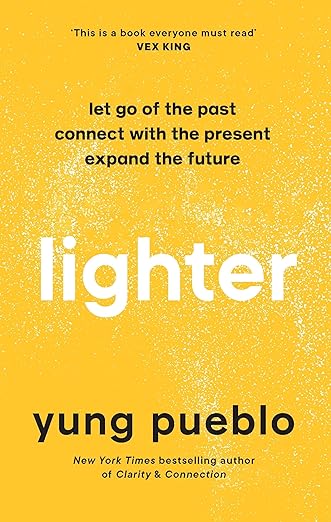
Lighter (8/10)
Lighter by Yung Pueblo
Yung Pueblo writes about healing, self-awareness, letting go, boundaries and how personal patterns shape relationships. Short reflections connect inner work with compassionate behavior.
The calm style invites pauses. Some ideas repeat and remain general, but repetition can reveal resistance. I take it as an invitation to carry less unexamined history into current relationships.
-
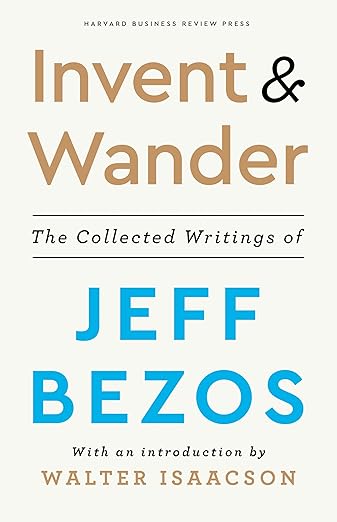
Invent and Wander (9/10)
Invent and Wander by Jeff Bezos, with an introduction by Walter Isaacson
Amazon shareholder letters, speeches and interviews cover customer obsession, long-term thinking, invention, decisions and culture are the primary-source view of Bezos's principles.
The collection is curated and presents the Bezos' version, so I read it for operating questions, not as a complete company history. But the book is full with interesting details and stories that are applicable to many usecases, mainly at work but not limited to that.
-
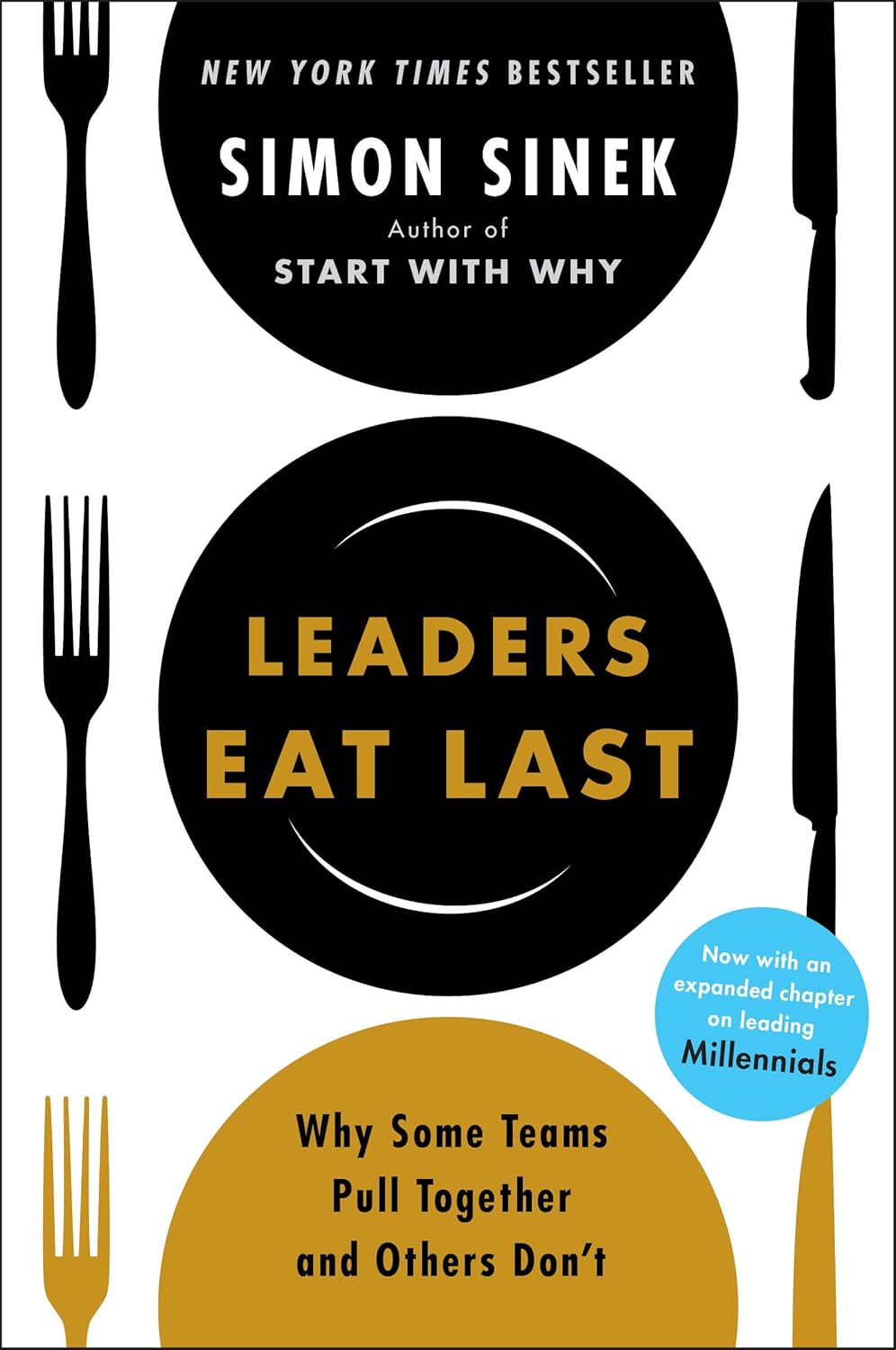
Leaders Eat Last (8/10)
Leaders Eat Last by Simon Sinek
Sinek argues that leaders create a circle of safety where people trust one another and focus on external challenges instead of self-protection. He connects service, sacrifice and belonging.
Leadership is responsibility for people, not a reward above them. Some biology is simplified, but the point remains: when people protect themselves from leaders, less energy remains for customers and learning. This book helped me to see my managers differently and to lead people and not manage them.
-
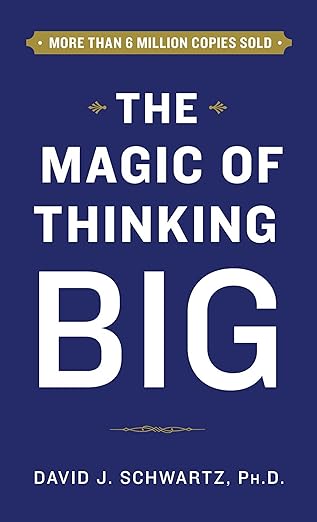
Magic of Thinking Big (5/10)
Magic of Thinking Big by David J. Schwartz
Schwartz argues that belief influences action and offers advice on confidence, excuses, goals, relationships and leadership. The 1950s examples encourage behavior matching larger ambitions.
Many examples feel dated, and thinking big cannot remove structural limits. This book feels to detached from reality.
-
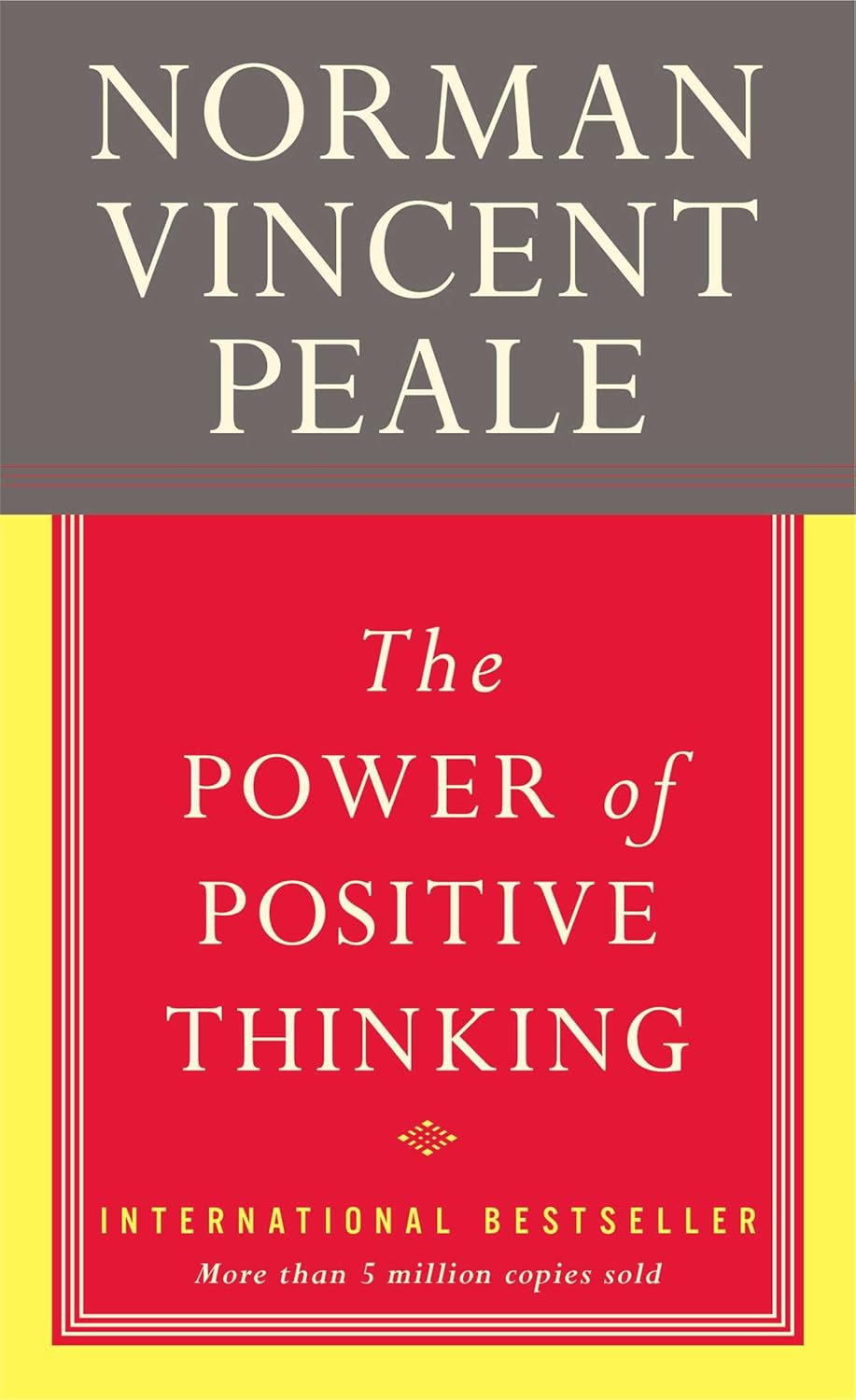
The Power of Positive Thinking (3/10)
The Power of Positive Thinking by Norman Vincent Peale
Peale combines Christian faith, prayer, visualization and affirming self-talk into a program for confidence and resilience, reflecting the era in which it was written.
I dislike a huge focus on religion in this book. There are some udeful ideas, but just a few. Useful positivity supports hope and action while leaving room for reality, grief and professional care.
-
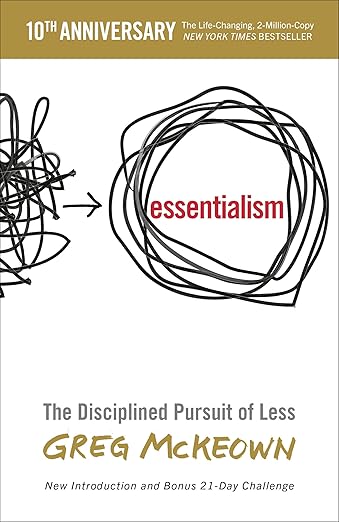
Essentialism (8/10)
Essentialism by Greg McKeown
The “less but better” approach explores what matters, eliminates the nonessential and builds routines for execution. Trade-offs and saying no are parts of meaningful focus.
Doing many good things can starve the most important one. Not everyone controls every obligation, but within my choices a clear no can protect a more honest yes.
-
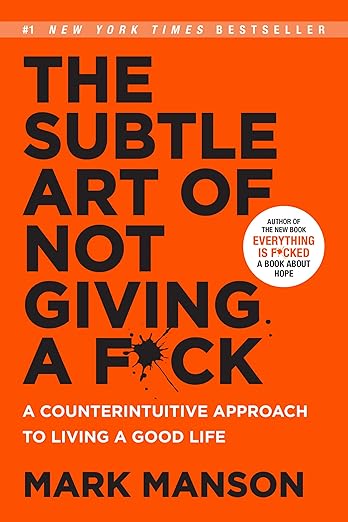
The Subtle Art of Not Giving a F*ck (6/10)
The Subtle Art of Not Giving a F*ck by Mark Manson
Behind the title, Manson argues for better values, accepting limits, responsibility and choosing struggles worth attention. Happiness is a side effect of meaningful problems, not constant positivity.
Accepting discomfort does not mean liking it, but it can end the effort to build a life without negative experience. The book is a good one-time read, but that is it.
-
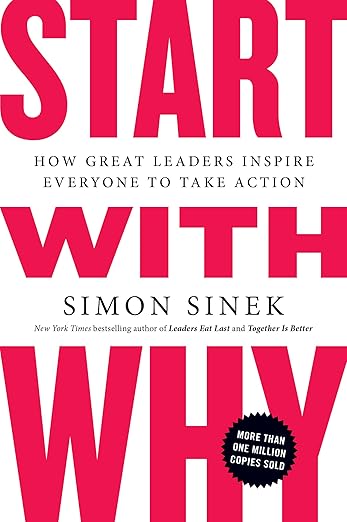
Start with Why (9/10)
Start with Why by Simon Sinek
The Golden Circle moves from why to how to what, arguing that people connect more deeply with purpose than features. A clear cause can align communication and action.
Purpose does not replace competence or execution, and a beautiful "why" can hide weak practice. It becomes credible when daily decisions and incentives consistently support it.
-
Emotional Intelligence (9/10)
Emotional Intelligence by Daniel Goleman
Goleman popularized self-awareness, self-regulation, motivation, empathy and social skill alongside cognitive ability, showing how emotions influence learning, work and decisions.
THe book gives language for abilities called "soft" while workplaces depend on them. Emotional intelligence is not another personality score and does not replace expertise. Its value is creating space before action. I think this book is a very useful for being a part of human society.
-
How to Do the Work (7/10)
How to Do the Work by Nicole LePera
LePera connects repeated patterns with childhood experience, nervous-system responses, beliefs, boundaries and habits, combining explanation with journaling and self-observation.
Noticing patterns is more useful than searching for blame. Some claims are broad and should not become diagnoses. This supports reflection but cannot replace individualized therapy or medical care.
-
Thinking, Fast and Slow (9/10)
Thinking, Fast and Slow by Daniel Kahneman
Kahneman describes fast System 1 and effortful System 2, then examines anchoring, availability, overconfidence, loss aversion and other patterns in judgment.
I am a big fan of Kahneman and his view of the world. THe book is influencing how you think about evidence. The durable lesson is humility - a coherent story feels true before it is checked.
-
Team Topologies (7/10)
Team Topologies by Matthew Skelton and Manuel Pais
The authors define stream-aligned, platform, enabling and complicated-subsystem teams with explicit interaction modes, aiming for fast flow while respecting cognitive load.
The topologies are patterns, not permanent boxes. Used mechanically they create silos while if used dynamically they clarify ownership, dependencies and when collaboration should begin or end.
-
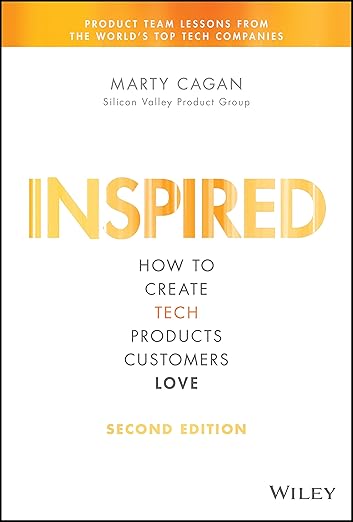
Inspired (8/10)
Inspired by Marty Cagan
Cagan describes empowered cross-functional teams discovering solutions to customer and business problems. He covers roles, culture and discovery across value, usability, feasibility and viability risks.
Delivering a roadmap is not discovering a valuable product. These practices require trust and capable teams; copying workshops inside a feature factory changes little. Empowerment is an operating model.
-
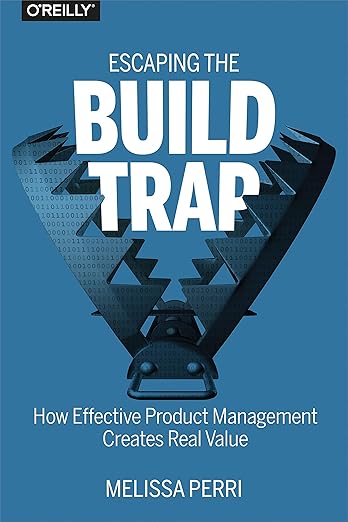
Escaping the Build Trap (7/10)
Escaping the Build Trap by Melissa Perri
The Author shows how organizations maximize output-focused-features shipped while losing sight of customer and business outcomes. She connects strategy, discovery, experiments and measures.
Shipping proves activity, not value. Escaping the trap cannot be delegated to product managers alone; leaders must change funding, incentives and the questions they ask.
-
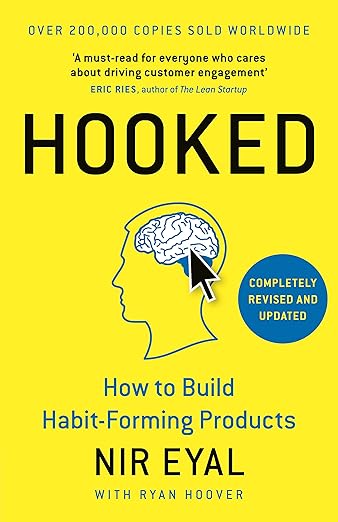
Hooked (8/10)
Hooked by Nir Eyal with Ryan Hoover
The Hook Model describes trigger, action, variable reward and investment as a cycle making products habitual. The book combines behavioral psychology with product examples.
The framework explains engagement as designed rather than lucky. It also creates ethical responsibility: does the habit serve the user or mainly extract attention? Knowing how to build a hook means owning where it leads.